
 22 March 2021
Prospects for Data Center Transition from Diesel Generators to Hydrogen Fuel Cells
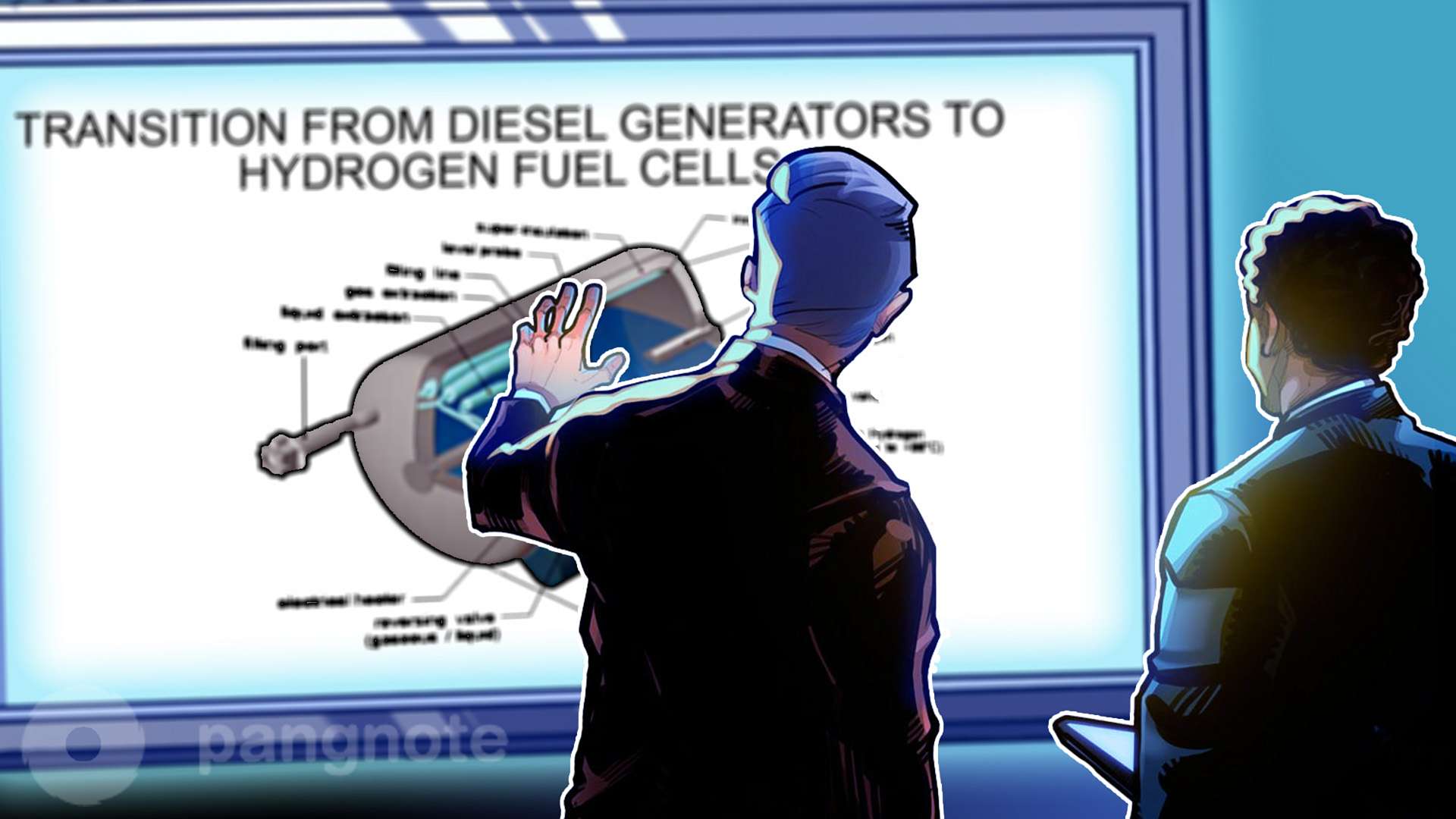
The role of data centers as the backbone of a digital society has removed much of the negativity from the industry. For many of its subjects, the hype in 2020 has really turned into prosperity. Nevertheless, against the background of the active expansion of computing power in order to meet demand, criticism of data centers for their allegedly low level of environmental friendliness is increasingly heard. Among other things, the transition of data centers from diesel generators to hydrogen fuel cells should contribute to solving this problem. But when will such a transformation take place, and will it take place in principle?
Microsoft experience in operating hydrogen-fueled server racks
This is why Microsoft, as part of its broader plan to achieve a zero carbon footprint of business by 2030, plans to end diesel generators by the end of the decade. Over the past several years, the company has experimented with using hydrogen as an alternative backup power source. In July 2020, this work culminated in a successful 48-hour test in which hydrogen was used to provide uninterrupted power to a number of servers.
Microsoft used a 250 kW hydrogen proton exchange membrane fuel cell to power 10 server racks. These fuel cells combine hydrogen and oxygen in a process that produces water vapor and electricity.
In its standard datacenters, Microsoft currently stores diesel fuel onsite for 48 hours, but also has contracts to supply additional fuel if power outages last longer than that. This rarely happens, but there is a risk.
Most industry experts believe that a 48-hour supply of fuel is sufficient to at least warn customers of a data center disaster, allowing them to move workloads to other computing power. Microsoft does not exclude the possibility of longer tests with fuel cells in the future, but the software giant's experts are confident that an important preliminary stage has been successfully passed. The focus now is on size and scalability.
Microsoft envisions scenarios in which the corporation's hydrogen fuel cells are deeply integrated into the infrastructure of local communities. In particular, the software giant is considering the possibility of integrating data centers equipped with hydrogen storage facilities for the backup power supply of servers with vehicle filling stations.
Hydrogen fuel cells in data centers can also be used to redirect electricity to the central distribution grid to meet demand for electricity during peak periods, allowing corporations to lower their electricity bill figures.
An uncertain future
Transition of data centers from diesel generators to hydrogen fuel cells is possible only if subjects of various industries, including industrial enterprises, have a desire to join the hydrogen movement.
0
0
Comments
Facebook improves connectivity in the African region with an undersea internet cable
7 November 2021Can blind spots be avoided when monitoring DCs?
3 November 2021Influence of automation in DC on engineering personnel
30 October 2021The frequency of accidents in DC has decreased and the sum of damage has increased significantly
26 October 2021


How to avoid mistakes when choosing a hosting
How to avoid mistakes when choosing a hosting

Chinese manufacturer Loongson will enter the market ..
Chinese manufacturer Loongson will enter the market with 16-core processor in 2020

Please sign-in to comment here