
 22 March 2020
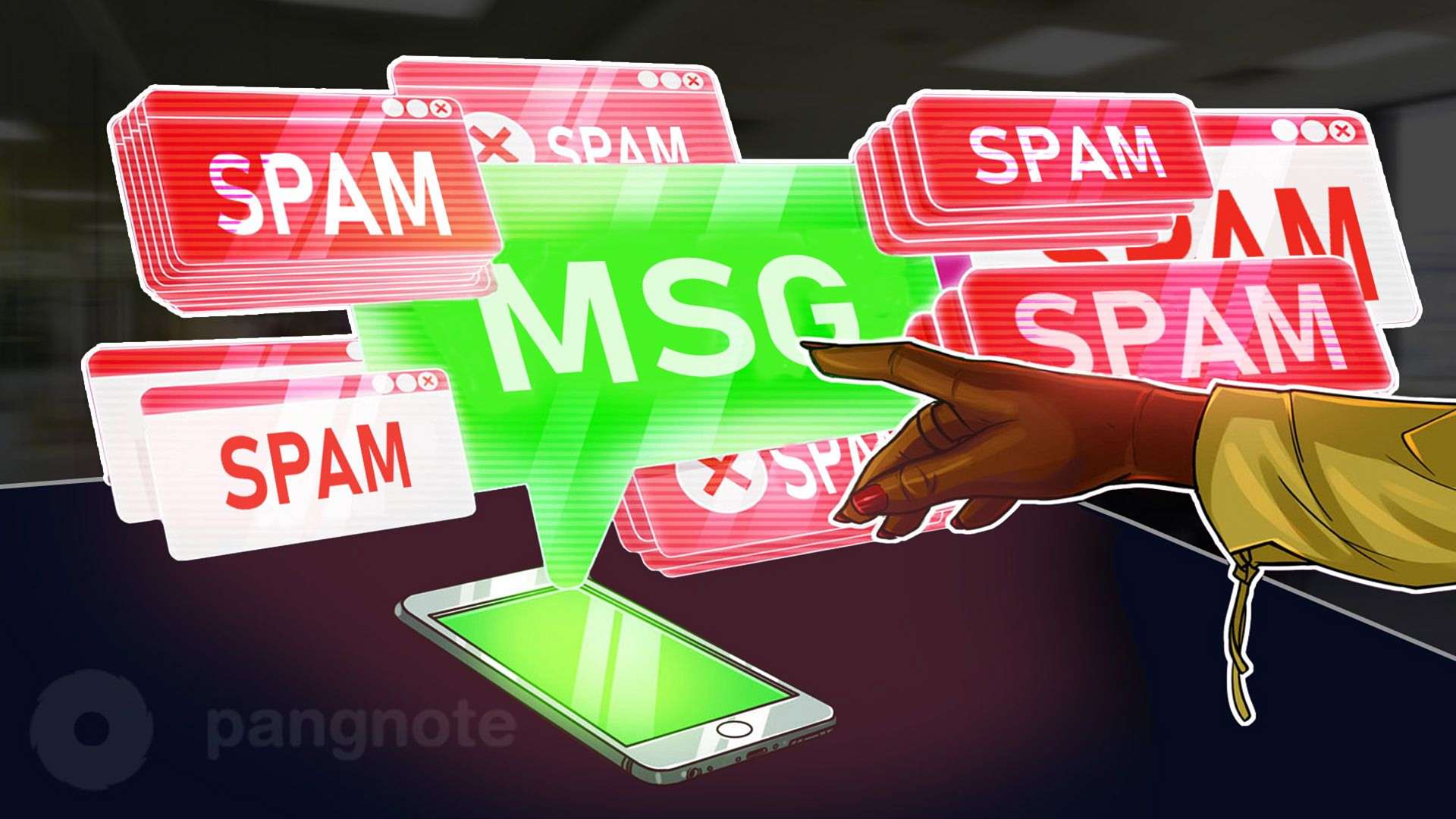
How to set up a mail server so that the message does not get into spam
Considering the tools for mailing, you can group it into several basic methods.
- Newsletter using your script. There are a number of tools that help to collect and organize the database of user email addresses. Sometimes this happens legally. That is, the user himself agrees to receive newsletters from you, but there may also be illegal methods that simply “parser” other people's sites by finding lists of user addresses in them. Naturally, the second method is prohibited and it does not even make sense to consider it.
- Direct mail from your inbox. This method is very archaic and has its limitations and a number of inconveniences. Manual mailing is only suitable for small commercial projects with an extremely limited client base.
- Newsletter using an automated service. Such services can be both paid and free of charge. The second option can be emal automatic distributors can be called "free" only conditionally, since they monetize services through built-in advertising.
Auto spam. It happens because somewhere on the server (on the user side or on the sender side) a spam filter worked out that considered your message unsuitable for delivery. The filter can take it for unreasonable advertising or even probably suspect a threat to the recipient in it, considering some attachments or parts of the code as unsafe.
A tool such as mailing should be surely verified for all key indicators - from the settings of the server from which emails are sent, to setting up the mailing process itself. Such settings usually include parameters such as:
regularity or timing - how many letters are sent for a given period of time;
time - when letters are sent;
volumes - how many letters are sent at a time;
Digital Signature Authentication (DKIM)
Sender Server Validation (SPF)
Compliance with the anti-spam specification DMARC;
Two-step subscription authentication (Double Opt-In).
In the absence of administrative experience, it is not always possible to configure the server correctly. In such cases, experts recommend contacting the hosting technical support service.
The self-sent letter must meet certain requirements. In particular, it should not have any “suspicious” investments, and generally it is better to refuse investments.
It is recommended to create letters in the form of pure html-code of a table layout, or as plain text without any code at all. There should not be any additional codes and especially forbidden scripts (Flash, JavaScript, ActiveX) in letters.
Do not use the mailing address located on popular free services. Mailing lists from Yahoo, Gmail, Outlook almost always automatically fall into the spam folder. Therefore, to send letters it is better to use email from your own corporate domain.
0
0
Comments
Facebook improves connectivity in the African region with an undersea internet cable
7 November 2021Can blind spots be avoided when monitoring DCs?
3 November 2021Influence of automation in DC on engineering personnel
30 October 2021The frequency of accidents in DC has decreased and the sum of damage has increased significantly
26 October 2021

How to avoid mistakes when choosing a hosting
How to avoid mistakes when choosing a hosting
Chinese manufacturer Loongson will enter the market ..
Chinese manufacturer Loongson will enter the market with 16-core processor in 2020

Please sign-in to comment here